Blog
Eating Well on GLP-1 Medication
GLP-1 medications have transformed the way many people approach weight management. While these medications can help reduce appetite and support calorie control, they can also make it more challenging to consume enough nutrients throughout the day.
When you’re eating less, every meal matters. That’s why prioritising high-protein, low-calorie meals, fibre-rich foods and balanced nutrition can help ensure you’re still meeting your body’s needs while working towards your goals.
In this guide, we’ll explore how to build a healthy eating pattern while taking GLP-1 medications and why choosing nutrient-dense foods is so important.
What Are GLP-1 Medications?
GLP-1 stands for glucagon-like peptide-1, a hormone involved in regulating appetite, digestion and blood glucose. GLP-1-based medications can influence feelings of hunger and fullness, which can result in people feeling satisfied after eating smaller amounts of food.
Because appetite can be reduced, the way you approach meals may change. You may find that large portions are less appealing or that you feel full more quickly. This makes food quality particularly important. Rather than simply concentrating on eating fewer calories, it can be useful to consider what those calories provide.
Why Nutrition Matters More When You’re Eating Less
When you’re eating smaller portions, it’s important to make those meals count. A reduced appetite can mean consuming less protein, fibre and other essential nutrients, so prioritising nutrient-dense foods such as lean meat, fish, eggs, dairy, beans, lentils, vegetables, fruit, wholegrains, nuts and seeds can help. Rather than focusing on making every meal perfect, aim for a consistent balance of protein, fibre and vegetables, with smaller meals if these are more manageable.
Why Protein Should Be a Priority
Protein is particularly important when you’re eating less, as it provides the amino acids your body needs to maintain and repair muscle and other tissues. Good sources include chicken, fish, lean meat, eggs, Greek yoghurt, dairy, tofu, beans and lentils. Including protein throughout the day can also help you feel fuller for longer.
Examples of high-protein meals include chicken with vegetables and rice, eggs with wholegrain toast, Greek yoghurt with fruit and seeds, or a protein-rich frozen meal. For busy lifestyles, high protein ready meals can provide a convenient option. When choosing high-protein, low-calorie meals, check the nutrition information to see how much protein each serving provides and how it fits into your overall diet.
Why Fibre Is Just as Important
Fibre is another important part of a balanced diet, supporting digestive health and helping meals feel more satisfying. Good sources include vegetables, fruit, wholegrains, beans, lentils, nuts and seeds. Combining fibre-rich foods with protein can help create balanced meals, while high fibre ready meals can provide a convenient option when time is limited. If you’re increasing your fibre intake, do so gradually and make sure you’re drinking enough fluids.
Building Balanced Meals on GLP-1
There isn’t one specific diet that everyone taking a GLP-1 medication needs to follow. Instead, a simple meal-building approach can help you create nutritious meals that suit your appetite and individual requirements. Start with a source of protein and then add fibre-rich foods for a balanced diet. Hydration is another important consideration. Make sure you’re drinking regularly throughout the day, with water being a simple choice.
Convenient Meal Options for Busy Days
Knowing how to build a balanced meal is useful, but preparing nutritious food from scratch every day isn’t always realistic. Work, family commitments, exercise and busy schedules can all make meal preparation challenging. When your appetite is reduced, you may also have less motivation to prepare a meal when you’re not particularly hungry.
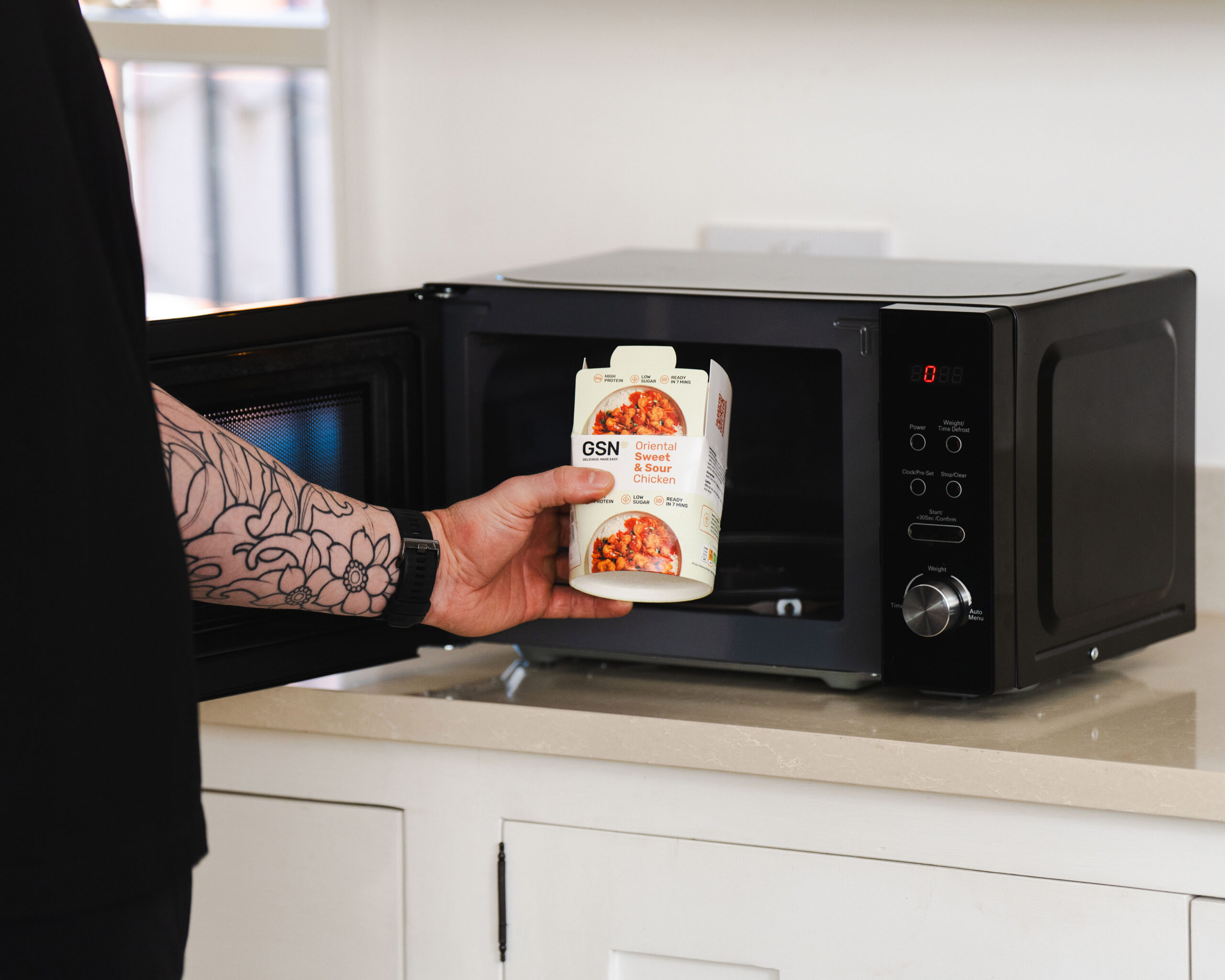
This is where high protein ready meals can provide a practical solution. Low-calorie ready meals can offer a convenient portion-controlled option, but calories shouldn’t be the only factor you consider. A meal with very few calories may not provide enough protein, fibre or other nutrients to make it a particularly useful choice.
Common Nutrition Mistakes to Avoid on GLP-1
One of the biggest considerations when your appetite is reduced is making sure you’re still getting enough nutrition. Focusing exclusively on eating as few calories as possible can mean overlooking protein, fibre and other important nutrients. Instead, think about the nutritional value of the food you are eating and how different meals contribute to your overall diet.
Can Ready Meals Support a GLP-1 Diet?
Ready meals are sometimes associated with convenience rather than nutrition, but that doesn’t mean they cannot form part of a balanced diet. The nutritional quality of a ready meal depends on the individual product, which is why checking the ingredients and nutrition information is important.
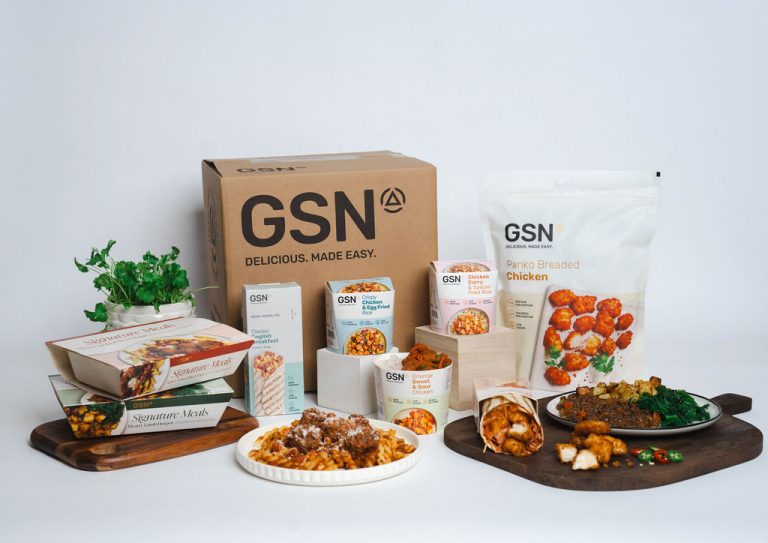
GSN’s range of frozen meals is designed around convenient, high-protein nutrition. From Pot O Gold meals to Signature Meals and High Protein Wraps, the range provides different meal options that can be stored in the freezer and prepared quickly when needed.