
Blog
How Much Fibre Do You Need Daily?
Fibre is an essential part of a healthy, balanced diet, but it is one of the nutrients many people overlook. In the UK, adults are recommended to consume 30g of fibre per day, yet most people are eating considerably less than this. According to the latest National Diet and Nutrition Survey, average fibre intake among UK adults is around 16–17g per day, and just 4% of adults meet the recommended intake.
So, how much fibre do you actually need each day? What does fibre do for your body, and which fibre-rich foods can help you reach your daily target?
From fruit and vegetables to wholegrains, pulses, nuts and seeds, there are plenty of simple ways to add more fibre to your meals. Choosing convenient high-fibre ready meals can also make it easier to build fibre into a busy lifestyle.
What Is Fibre?
Dietary fibre is a type of carbohydrate that isn’t fully digested or absorbed in the small intestine. Instead, it passes through the digestive system, where different types of fibre can have different effects on the body.
Fibre is naturally found in plant-based foods, including fruit, vegetables, wholegrains, beans, lentils, chickpeas, nuts and seeds. Fibre is often divided into two types, soluble and insoluble fibre.
Soluble Fibre
Soluble fibre dissolves in water and forms a gel-like substance in the digestive system. It is found in foods such as oats, beans, lentils, fruit and some vegetables. Eating foods containing soluble fibre can help support healthy cholesterol levels and contribute to overall heart health as part of a balanced diet.
Insoluble Fibre
Insoluble fibre does not dissolve in water. It adds bulk to stools and helps food move through the digestive system, making it particularly important for normal bowel function. Good sources of fibre include wholegrain cereals, wholemeal bread, brown rice, vegetables, nuts and seeds.
Rather than focusing on one particular type, eating a varied diet containing different fibre-filled foods can help you benefit from a range of fibre sources.
Try for yourself
Our Best Selling High Protein Meals



How Much Fibre Do You Need Each Day?
So, how much fibre is needed each day? Well, for adults aged 16 and over, the UK recommendation is 30g of dietary fibre per day. This is a population-average recommendation rather than a precise requirement that every individual must meet every day.
For younger people, recommended amounts are lower:
- Children aged 2–4: around 15g per day
- Children aged 5–10: around 20g per day
- Children aged 11–15: around 25g per day
- Adults aged 16 and over: around 30g per day
The gap between recommended and actual intake is significant. The latest UK dietary survey found average fibre intake of approximately 16.4g per day among adults aged 19–64, 16.9g among those aged 65–74 and 16.4g among adults aged 75 and over. Only 4% of adults met the recommended fibre intake.
This means that for many people, increasing fibre intake doesn’t require a complete change to their diet. Small, consistent additions can make a meaningful difference.
Why Is Fibre Important?
Fibre does much more than support digestion. Eating a diet rich in fibre is associated with several important health benefits. For example, it:
- Supports digestive health
- Helps you feel fuller for longer
- May support weight management
- Supports heart health
- Helps promote a healthy gut microbiome
What Are the Best Fibre-Rich Foods?
If you want to increase your fibre intake, there is no single food you need to rely on. The best approach is to include a variety of fibre-rich foods throughout the day. Examples of the best fibre-rich foods include:
- Fruits
- Vegetables
- Legumes and Pulses
- Wholegrains
- Nuts and Seeds
High Protein and High Fibre: Why They’re Better Together
Fibre and protein perform different roles in the body, but they can work particularly well together in a balanced meal. Protein contributes to the maintenance and growth of muscle, while fibre supports digestive health and can help meals feel more satisfying. Combining the two can therefore be a useful way to build balanced, filling meals.
For example, a meal containing chicken or another protein source alongside vegetables, beans and wholegrains can provide both protein and fibre. This combination is also useful for people looking for convenient meal solutions. High protein low calorie ready meals can provide a practical option when you’re looking for a balanced meal that fits around a busy schedule.
The key is to look beyond a single nutrient. A nutritious meal can provide protein, fibre, carbohydrates, fats, vitamins and minerals together rather than treating each nutrient in isolation.
Looking for a Convenient Way to Increase Your Protein and Fibre Intake?
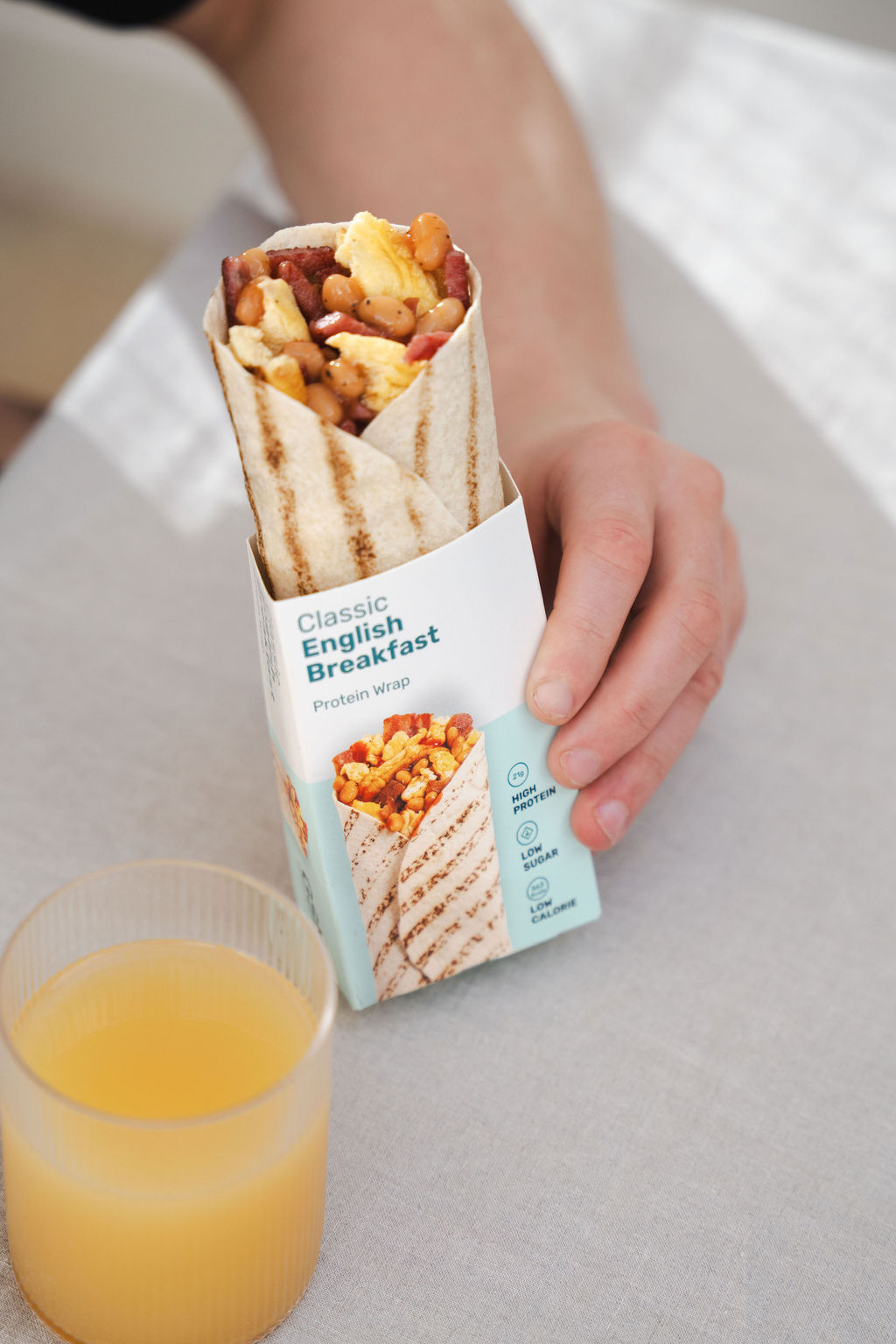
If you’re looking for a convenient way to increase your protein and fibre intake, then look no further. Explore GSN’s range of high-protein frozen meals, designed to deliver great nutrition without compromising on taste or convenience. From our range of high-protein wraps, to our Pot o Gold meals and high-protein signature meals, there’s an option for everyone.
Articles