Blog
How to Hit Your Protein Goals When Your Appetite Is Low
Whether you’re juggling a busy schedule, calorie counting, or taking GLP-1 medication, when you’re not feeling hungry or motivated to cook, your daily protein target can become harder to reach.
The good news is that you don’t have to force down huge portions to achieve your nutrition goals. By introducing a few smart eating habits and prioritising high protein meals, you can get what your body needs in smaller, more manageable servings.
How Much Protein Should You Have in Your Diet?
An adult’s recommended protein intake is based on body weight. For adults, this is generally 0.75g per kg of body weight. However, for people interested in sports & exercise nutrition, we’d recommend 1.8g – 2.2g protein per kg of body weight.
According to the British Nutrition Foundation, current guidelines are as follows:
- Women (based on 60kg body weight) – 45g protein per day
- Men (based on 75kg body weight) – 56g protein per day
While these figures provide a rough baseline, your ideal daily protein intake will depend on a variety of factors, including your lifestyle, age, medications, and your personal health and fitness goals.
Why High Protein Meals Matter When You’re Eating Less
Protein is an essential macronutrient that provides your body with the amino acids it needs to grow, repair, and function. A protein-rich diet helps to protect and maintain your muscle and bone strength, supports your energy levels, and leaves you feeling satisfied for longer. That’s why it’s worth prioritising protein intake even when your appetite is low.
High protein meals often include:
- Lean meats
- Eggs
- Beans & pulses
- Tempeh
- Cheese
Do You Need to Hit Your Protein Goal Every Day?
While a high protein diet will support your health and fitness goals, if you’re in good health, there is no need to worry about missing your daily target every now and again. When your appetite is low, focussing on maintaining a balanced eating pattern is key, rather than worrying about reaching an exact protein target each day.
If you do miss your daily protein target, there is no need to force yourself to eat large amounts of food to make up the difference. Instead, consider eating high protein meals or snacks when you feel ready to eat. However, if you are regularly unable to meet your protein goals, it is important to speak with your GP or a healthcare professional.
When you’re eating less, spreading your protein intake out can be a helpful approach. For example, you could opt for a glass of milk with breakfast or drink a yogurt-based fruit smoothie between meals. In addition, it can be useful to keep high protein, low calorie ready meals to hand for easy preparation when you’re feeling hungry.
Try for yourself
Our Best Selling High Protein Meals
Six Ways to Eat a High Protein Diet When You’re Not Hungry
You don’t need a big appetite to hit your protein goals. Instead, you need to make every meal count and take the effort out of eating when your energy is low. Here are six simple habits that make achieving a high protein diet easier on days when you don’t feel hungry.
Include a High Protein Source in Every Meal
Aim to include a protein source at every meal to help you meet your goals and to feel satisfied for longer. Think eggs at breakfast, chicken or beans at lunch, and fish or tofu for dinner. A well-balanced plate should also include fibre-rich vegetables, fruits, and wholegrains. This will allow you to get the nutrition you need to aid heart health and digestion, alongside your protein. If your appetite is really limited, start by eating your protein and veggies first.
Choose High Protein, Low Calorie Meals
When your appetite is low, every bite counts. Look out for high protein, low calorie meals that have a good amount of fibre and minimal sugar to support your nutrition goals. Protein-rich foods will help you to feel energised and satisfied for longer and fibre will support your digestion. While low sugar meals will help you to meet your desired goals without eating empty calories.
Eat Small, Protein-Rich Snacks Often
Facing three large meals can feel daunting when your appetite is low. Eating little and often feels much more manageable and allows your protein portions to stack up throughout the day. Snacking is a great way to keep things light and get the nutrition you need.
High protein snacks, include:
- Greek yogurt & fruit bowls
- Snack plates with eggs, lean meats & veggies
- Pancakes made with eggs, cottage cheese, & oats
- High protein wraps with lean meats & beans
Keep Ready-Made High Protein Meals in the Freezer
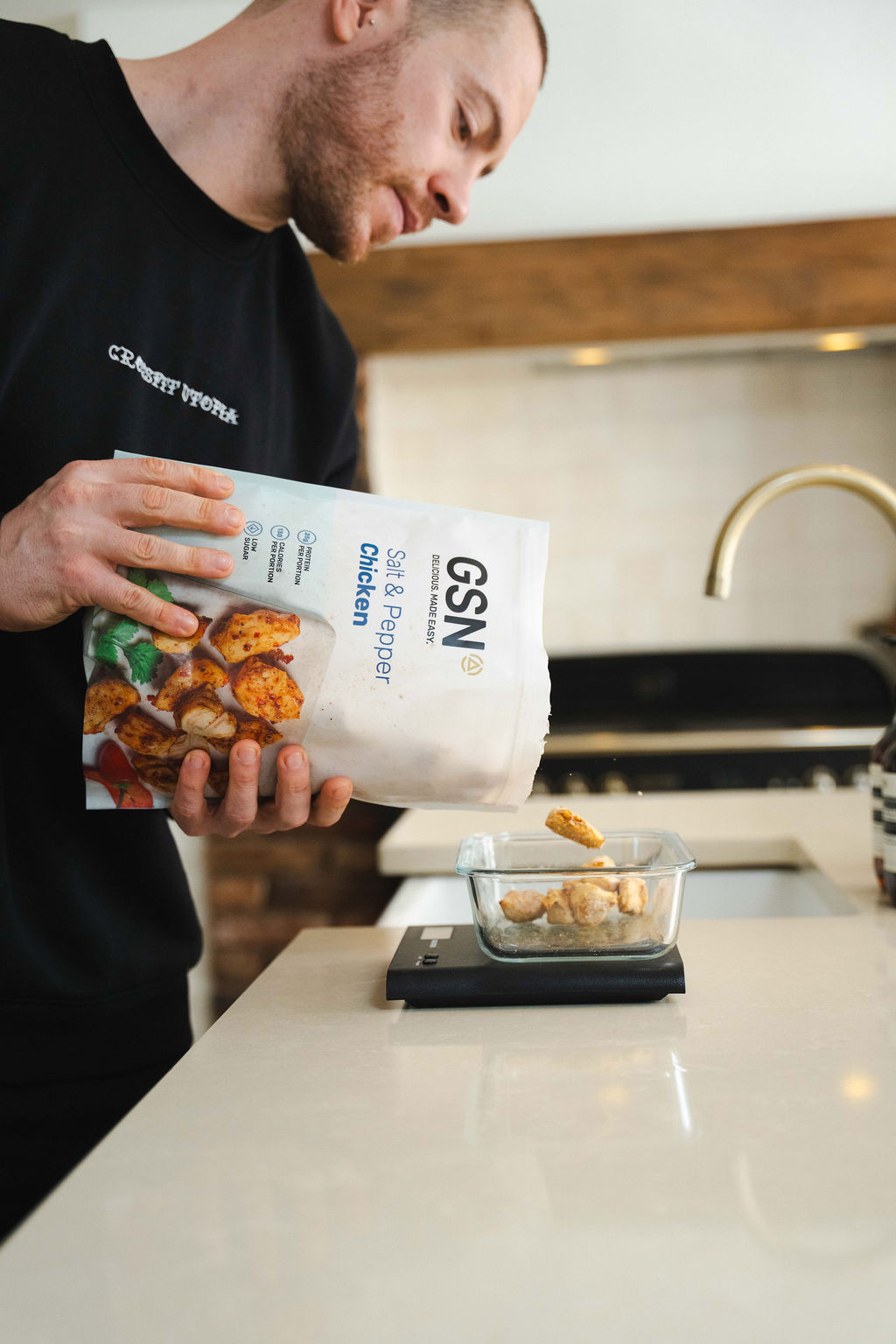
When your appetite is up and down, it is important to have tasty options to hand when hunger strikes. However, convenience shouldn’t come at the cost of nutrition. Keeping balanced, ready-made protein-based meals in your freezer means that there’s always something nourishing available when your appetite returns.
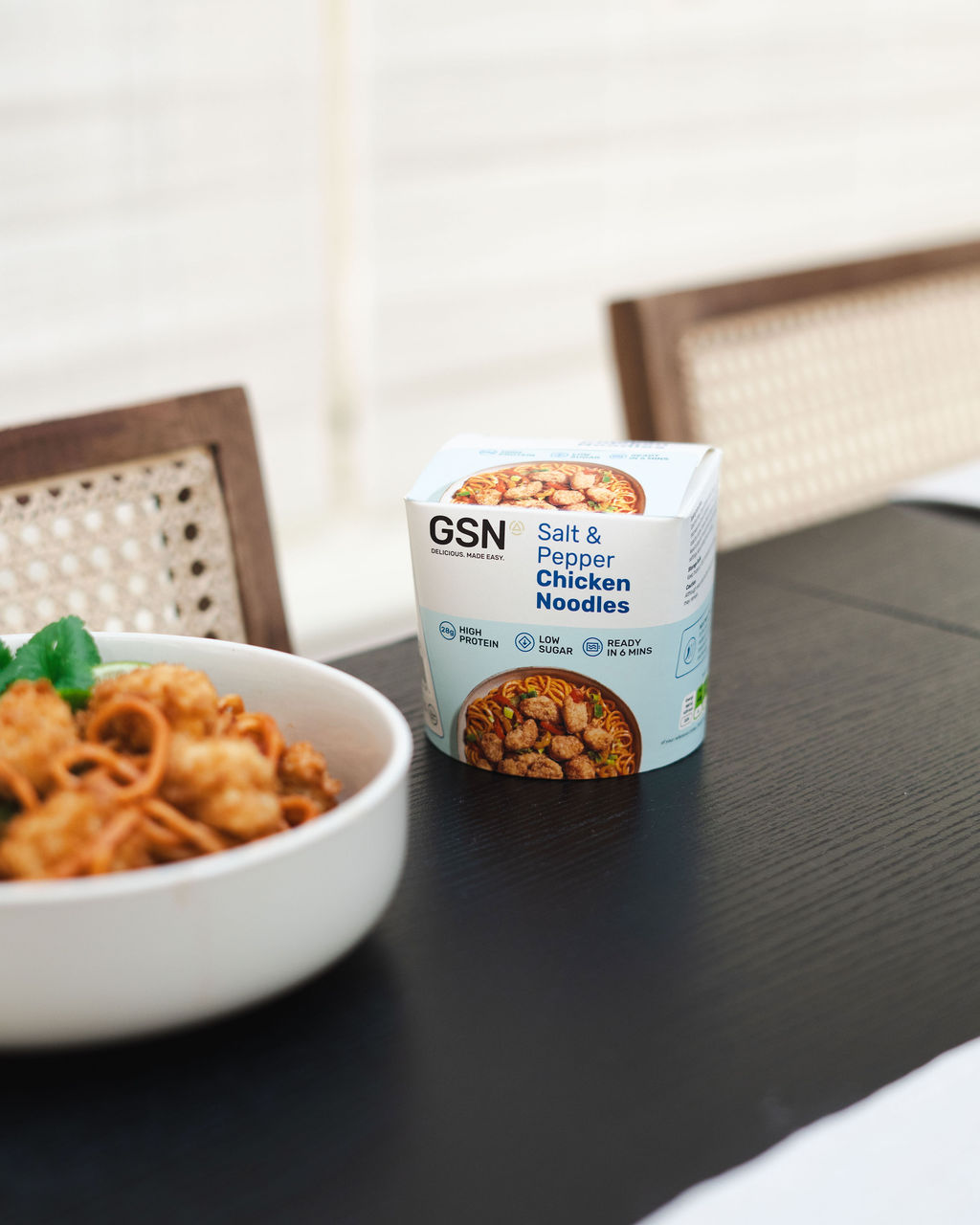
Reach for High Protein Microwave Meals to Save Time
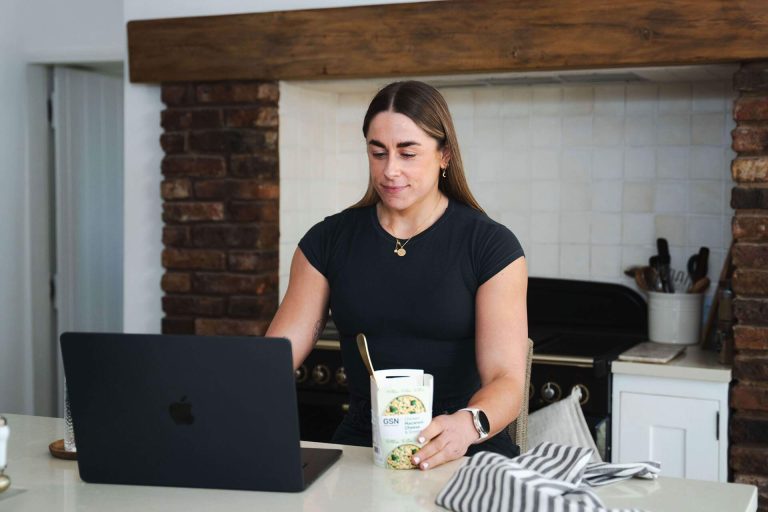
A low appetite often means low energy, which can make cooking feel overwhelming. With no measuring, chopping, and minimal washing up, microwave meals make food preparation effortless. With quick, high protein ready meals to hand, a hot, balanced dinner can be achieved within minutes. Plus, reaching your protein goals no longer has to depend on how much energy you have left at the end of a busy day.
Pre-Plan and Get High Protein Meals Delivered
When your appetite is low, but you want to achieve your nutrition goals, it helps to pre-plan how much protein you need each day and map your meals and snacks around it. Getting protein-rich meals delivered makes this easier than ever. Meal delivery takes the legwork out of deciding what proteins you need to buy and how much. This way, your freezer is always stocked with balanced options and there is one less decision to make when your energy levels are low.
Make High Protein Meals Easy
When you’re eating less than usual, your energy may dip, and the pressure of cooking a well-balanced plate of food from scratch can feel too taxing. Reaching for ready-made meals doesn’t have to mean a compromise on nutrition. Good quality, microwave meals combine protein, fibre, and low sugar into one, easy to prepare dish, so you don’t have to choose between your health and convenience.
Hitting your protein goals with a reduced appetite is all about consistency. Regular, high protein meals and snacks add up, and the easier they are to prepare, the more likely you are to eat them.
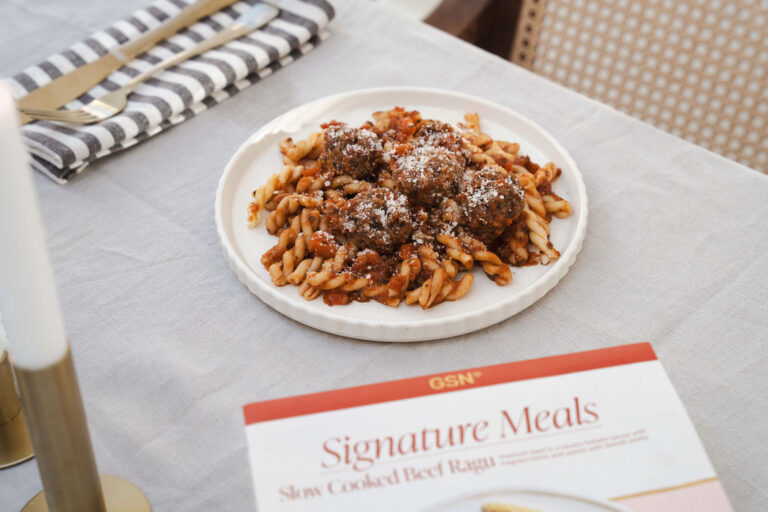
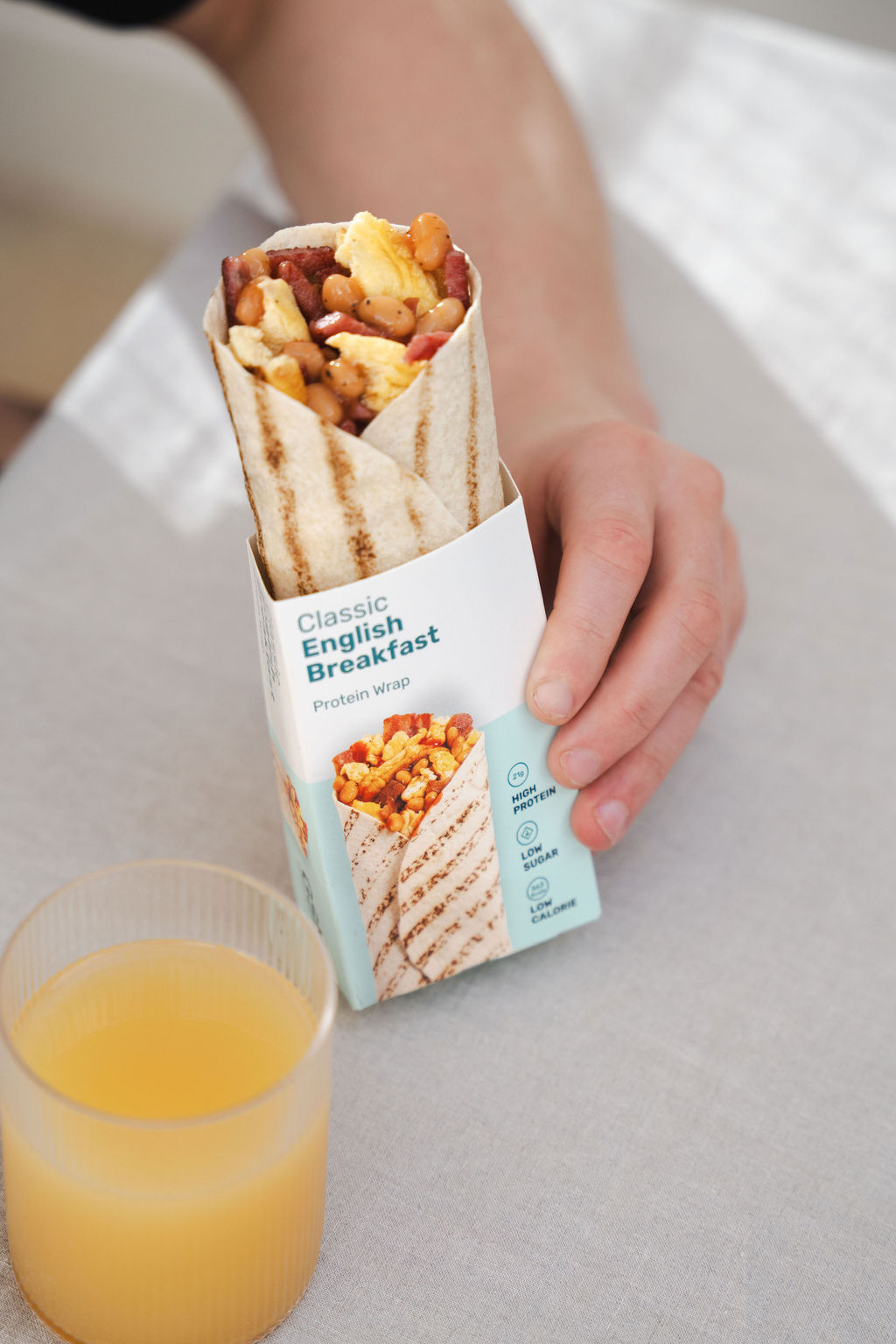
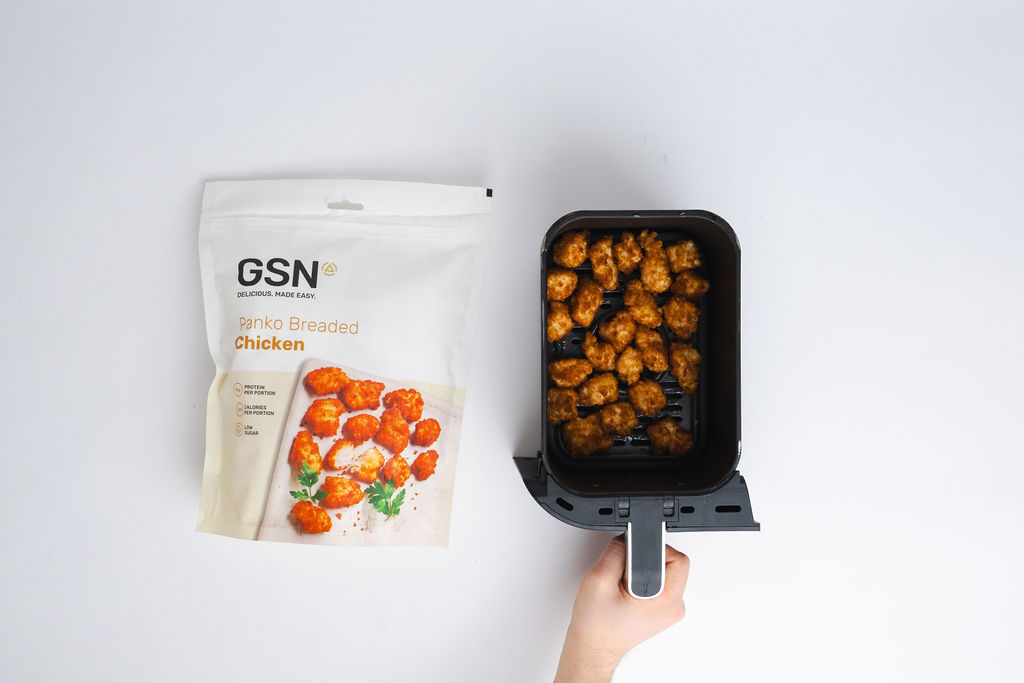
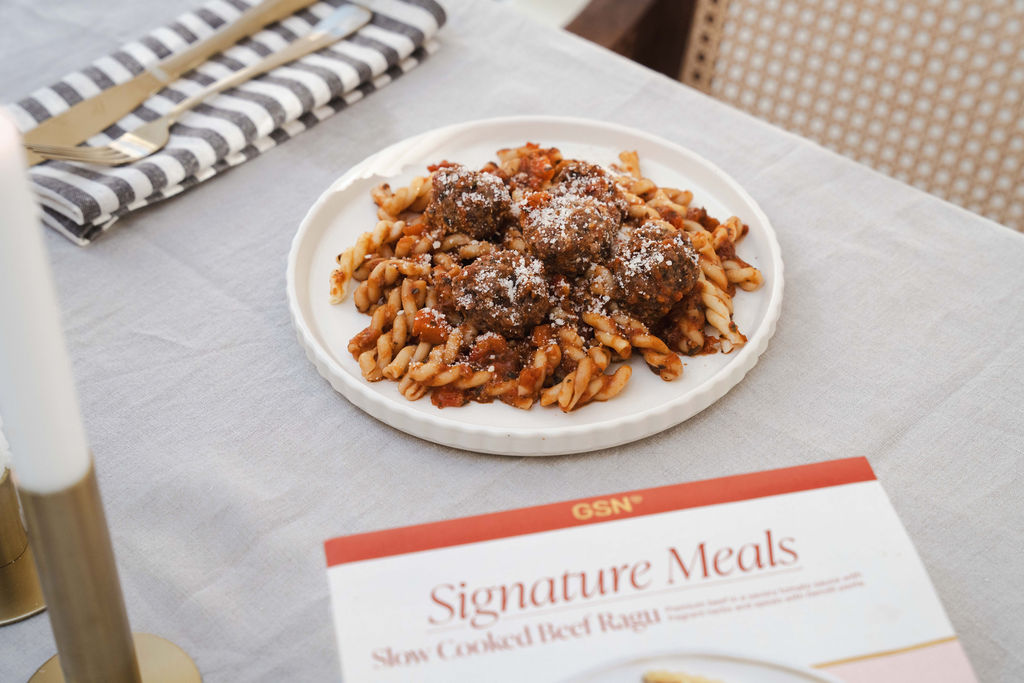
GSN’s range of frozen meals and snacks are designed to support your nutrition goals. From the Pot O Gold collection to Signature Meals and High Protein Wraps, GSN provides a tasty variety of options that can be stored in the freezer and are quick to prepare when needed.
Articles